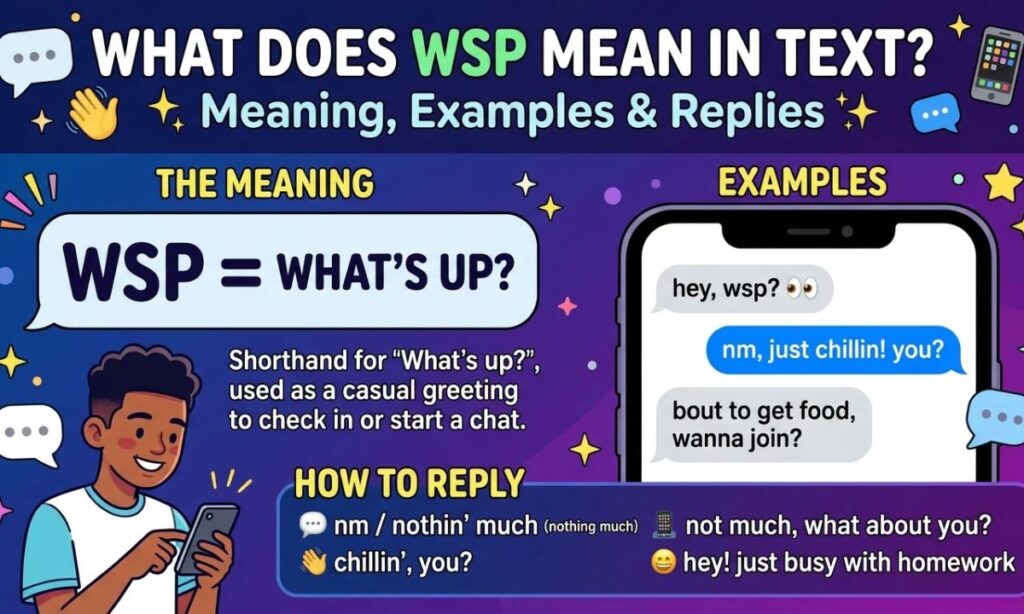
WSP means “what’s up.” People use it in texts, DMs, and chats as a quick, casual way to say hello and ask how you’re doing. If someone sends you “wsp,” they’re basically saying “hey, what’s going on?”
The slang is simple, but the right reply depends on who sent it and where. A message from a close friend, a crush, or a teammate in a game can each call for a different response.
This guide covers the meaning, real examples, ready-to-use replies, and the few situations where WSP can mean something else.
What Does WSP Slang Mean?
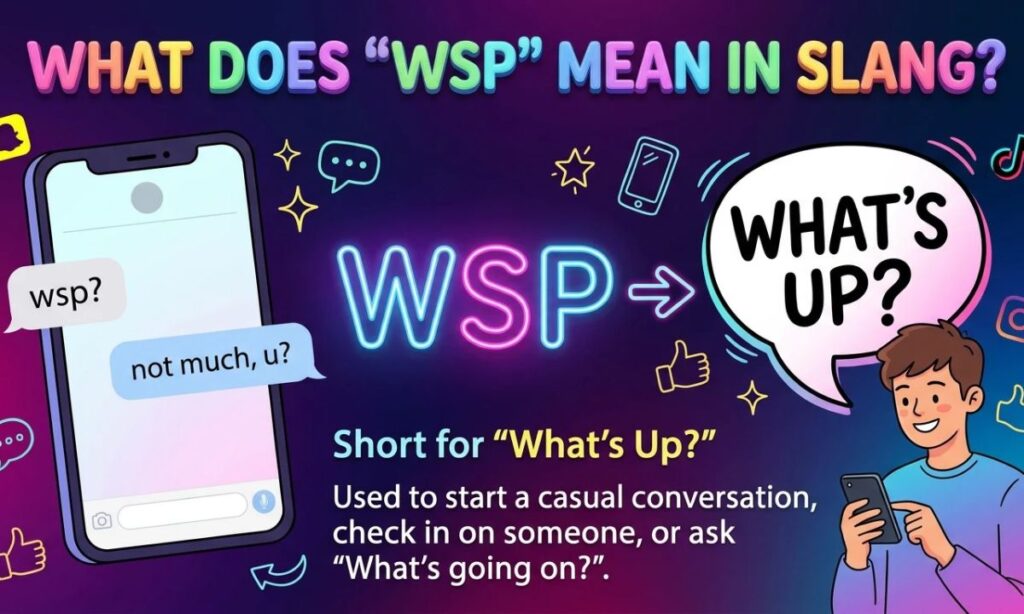
WSP is texting shorthand for “what’s up.” It works as both a greeting and a check-in, and it rarely needs a long answer.
Quick Definition
WSP (abbreviation): a casual way to say “what’s up?” in texts, chats, and social media messages.
WSP Full Form: What It Stands For
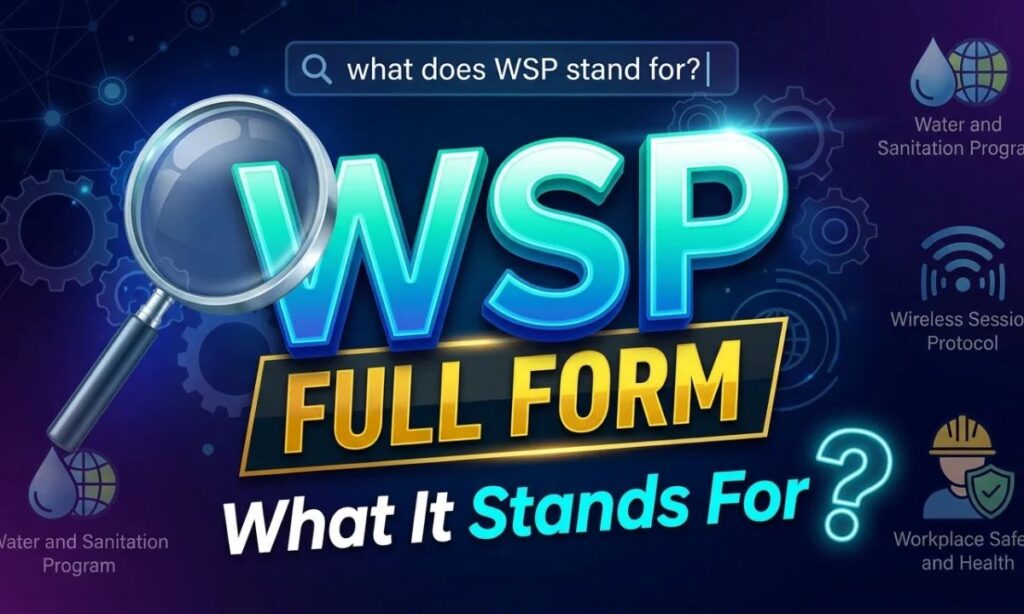
The letters W-S-P come from “what’s up,” with the vowels and the apostrophe removed. It is closely related to the spoken slang “wassup” and “sup,” and many people still read it aloud as “wassup.”
Writers type it as “wsp,” “WSP,” or “wsp?” and all three mean the same thing. Because it’s so short, it’s popular for fast, low-effort conversation starters.
Where Is WSP Used?
WSP shows up almost anywhere people message each other informally. It is mainly a written habit, so you’ll see it more in chats than in spoken conversation.
Popular Platforms Where You’ll See WSP
- Text messages (SMS and iMessage): friends and family checking in
- Snapchat: quick openers on snaps and chats
- Instagram DMs: replies to stories and casual messages
- WhatsApp, Discord, and Messenger: everyday chat greetings
- Online games: voice-free chat between teammates
Why Do People Use WSP?
People use WSP for the same reasons they use most texting slang: speed and tone.
1. It’s Quick and Easy
Three letters are faster to type than “what’s up,” especially on a phone.
2. It Sounds Casual
It signals a relaxed, friendly mood. It feels less formal than “How are you doing?”
3. It Fits Internet Culture
Short, lowercase greetings are part of how many people chat online. Using WSP shows you’re comfortable with that style.
4. It Works in Almost Any Conversation
It can start a chat, restart a quiet one, or check in on someone without much pressure.
Real-Life Examples of WSP Slang
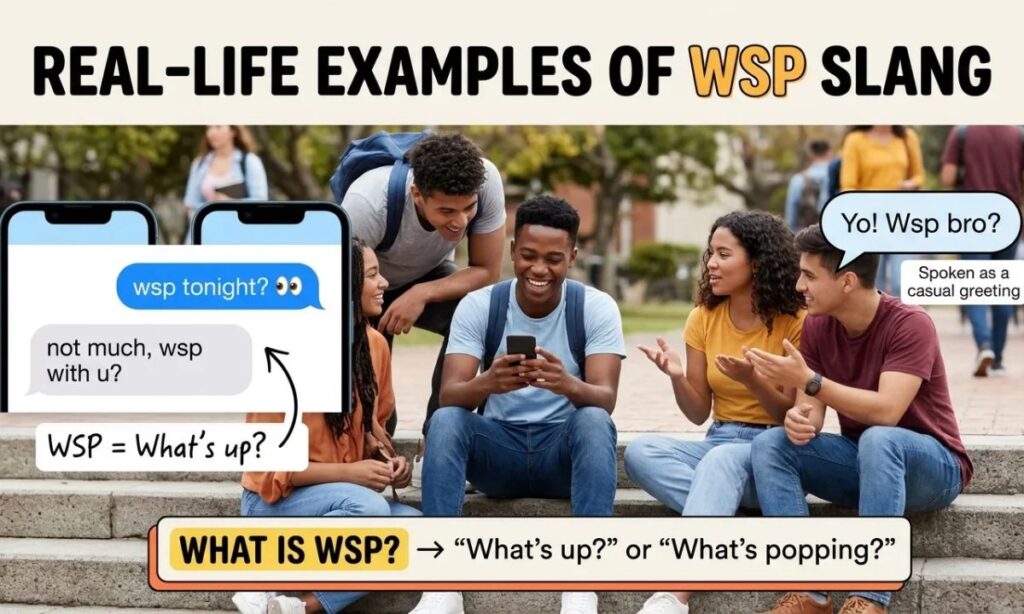
Tone changes a lot depending on the situation. These examples show the most common ways WSP appears.
Friendly Example
Jake: wsp, you free later?
Maya: Hey! Yeah, after 6.
What This Friendly WSP Means
Jake is greeting Maya and checking whether she’s available. It’s a warm, easygoing opener between friends.
Casual Example
Sam: wsp
Chris: nothing much, just got off work. you?
What This Casual WSP Means
Sam isn’t asking anything specific. He is just starting a conversation, and a short, relaxed reply is enough.
Flirty Example
Alex: wsp 😏 haven’t heard from you all day
Jordan: missed me?
What WSP Means in a Flirty Chat
Here WSP carries a playful tone, helped by the emoji and the follow-up line. Alex is showing interest, not only saying hello.
Gaming Example
Teammate: wsp, ready to queue up?
You: yep, give me two minutes
What WSP Means in Gaming Chat
It’s a quick greeting before a match. In some games, “wsp” can also be short for “whisper,” meaning a private message, so check the context.
Snapchat Example
Friend: wsp 👀
You: just chilling, what are you up to?
What WSP Means on Snapchat
It’s a light check-in, often sent with a snap or emoji, and it expects a short reply.
How to Reply to WSP
Many guides explain the meaning but skip the reply. A good response matches the sender’s energy and ideally gives them something to answer.
- Short and friendly: “Not much, you?” or “Hey! Just relaxing. What’s up with you?”
- Busy: “Hey! A bit busy right now, can I text you later?”
- Starting a plan: “Not much. Want to hang out later?”
- Playful or flirty: “Just thinking about you 😄” (only if that fits the relationship)
Asking a question back keeps the conversation moving, instead of ending it after one word.
WSP vs Similar Internet Slang
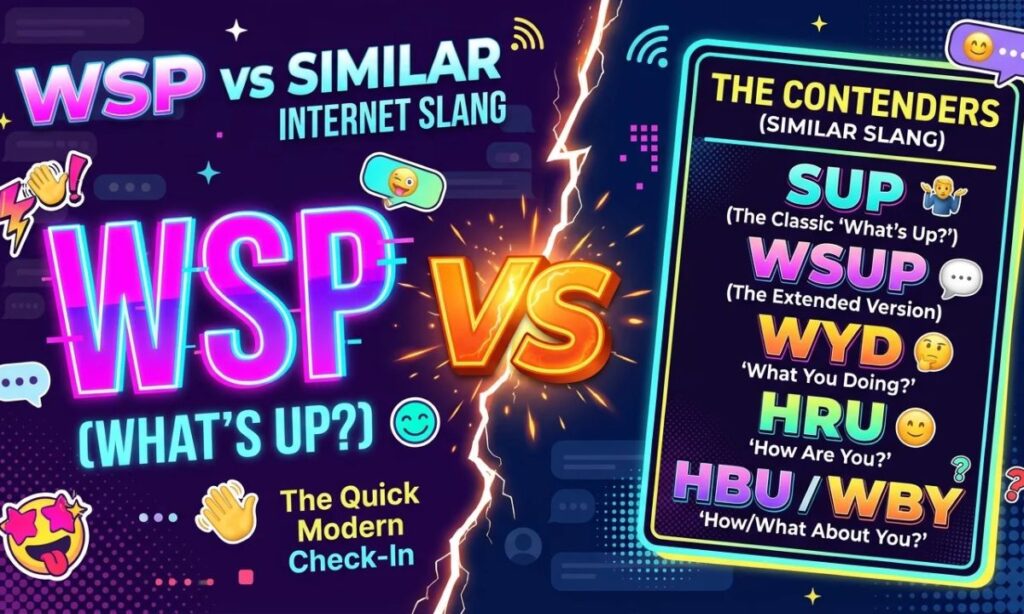
WSP belongs to a family of casual greetings, and they overlap but aren’t identical.
- Sup / wassup: nearly the same meaning, a bit more spoken-sounding
- HRU (how are you): asks about your well-being, not just what you’re doing
- HBU (how about you): a follow-up question, not an opener
- Hey / hi: simple greetings with no question attached
WSP does both jobs: it greets you and invites a reply.
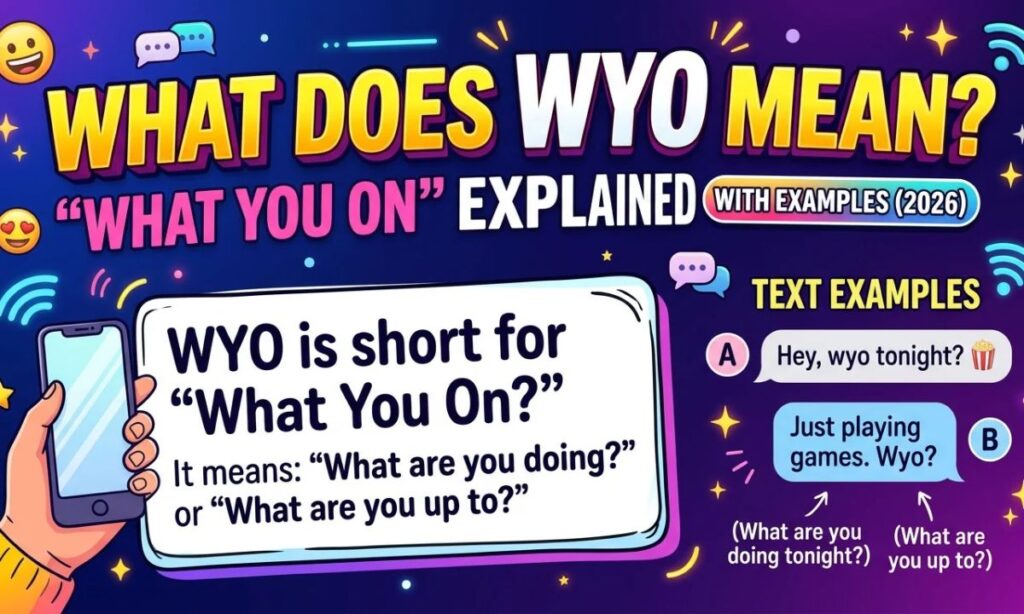
WSP vs WYD
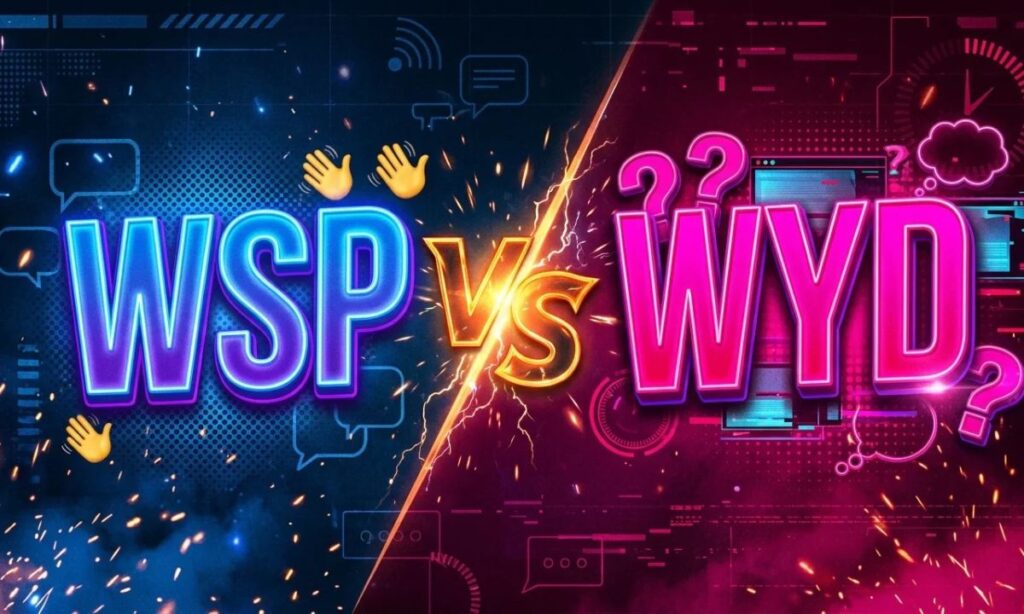
WSP and WYD are often used together, but they ask slightly different things.
WSP
“What’s up?” It’s a broad opener that can lead anywhere. The sender may simply want to talk.
WYD
“What are you doing?” It asks about your current activity and is often used to start plans or keep a conversation going.
Quick rule: use WSP to say hello and WYD when you want to know what someone is up to right now.
Other Meanings of WSP
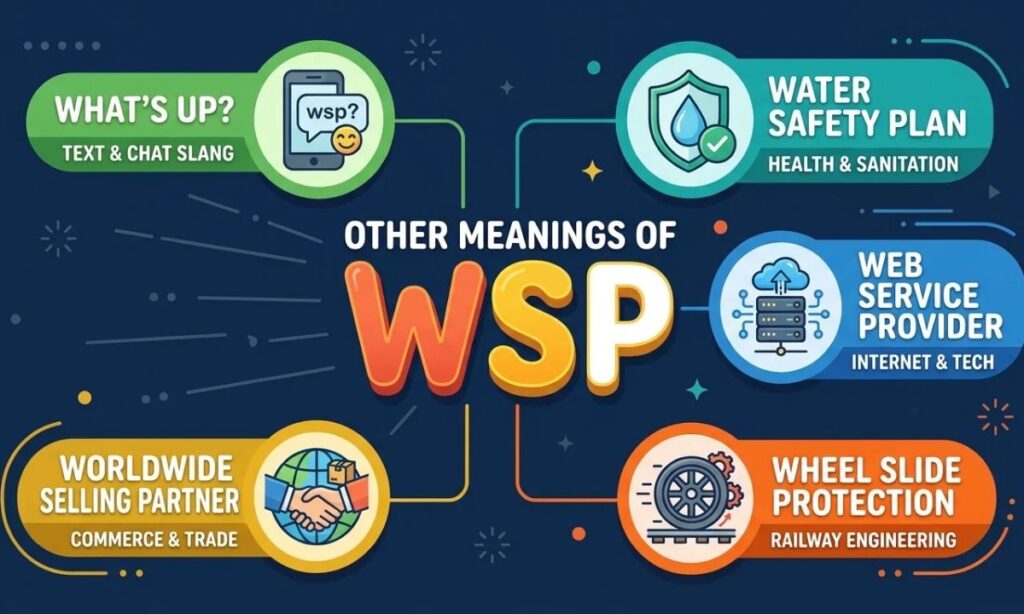
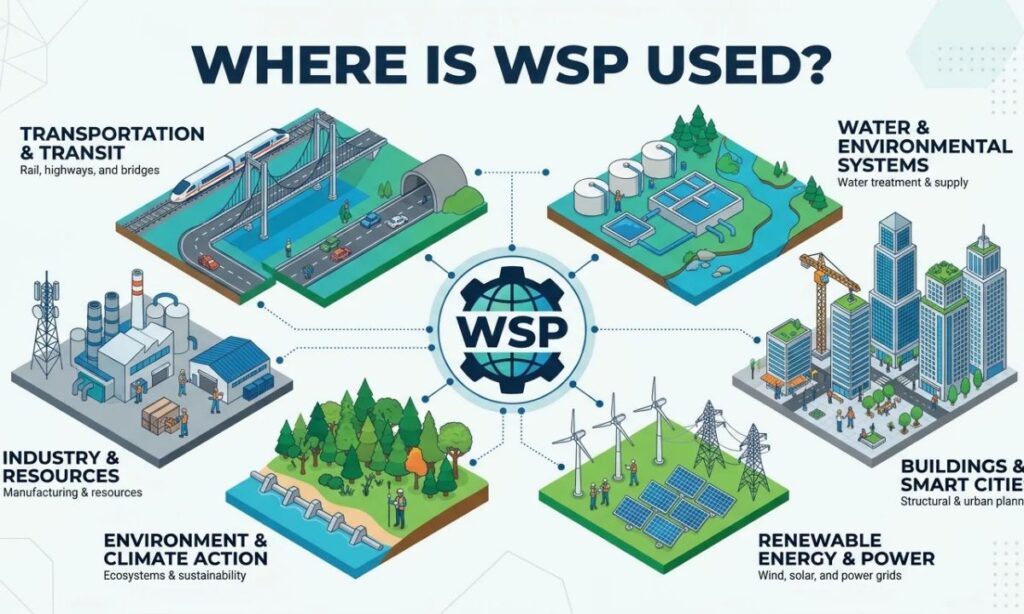
In texting, “what’s up” is by far the most common meaning, but context matters. Some people also use WSP as a shorthand for WhatsApp, and in some games it can mean “whisper.” Outside slang, WSP is also the name of a global engineering firm and an abbreviation for the Washington State Patrol.
If the setting is a chat with a friend, it almost always means “what’s up.” If you’re unsure, asking is fine.
When Should You Use WSP?
Use WSP when the tone is relaxed and the other person is likely to understand it.
Great Situations
- Texting friends or family your age or younger
- Starting a chat on Snapchat or Instagram
- Messaging teammates or online friends
- Restarting a conversation that went quiet
When You Should Avoid WSP

Slang can come across as careless in formal settings.
Avoid Using It In
- Emails or messages to a boss, client, or professor
- Job applications or professional networking messages
- Serious or sensitive conversations
- Messages to someone you’ve never met, unless the platform is clearly casual
Common Misunderstandings About WSP
1. WSP Means Something Complicated
It doesn’t. In most chats it only means “what’s up.”
2. WSP Is Always Flirty
No. The tone comes from context, emojis, and your relationship with the sender. Most WSP messages are simply friendly.
3. Only Teenagers Use WSP
Teens and young adults use it the most, but anyone who texts casually can use it, and plenty of adults do.
What Does WSP Mean From a Girl?
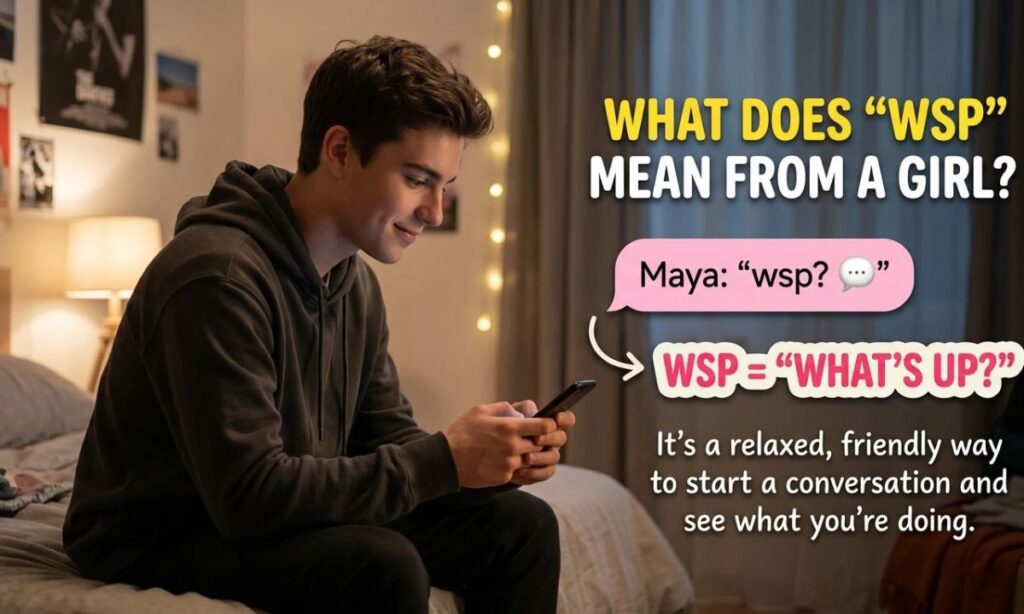
When a girl texts you “wsp,” it still means “what’s up.” Whether it’s friendly or flirty depends on how well you know each other, the emojis she uses, and whether she keeps the conversation going. If you’re unsure, reply in a friendly way and let the conversation show the tone.
What Does WSP Mean in Business?
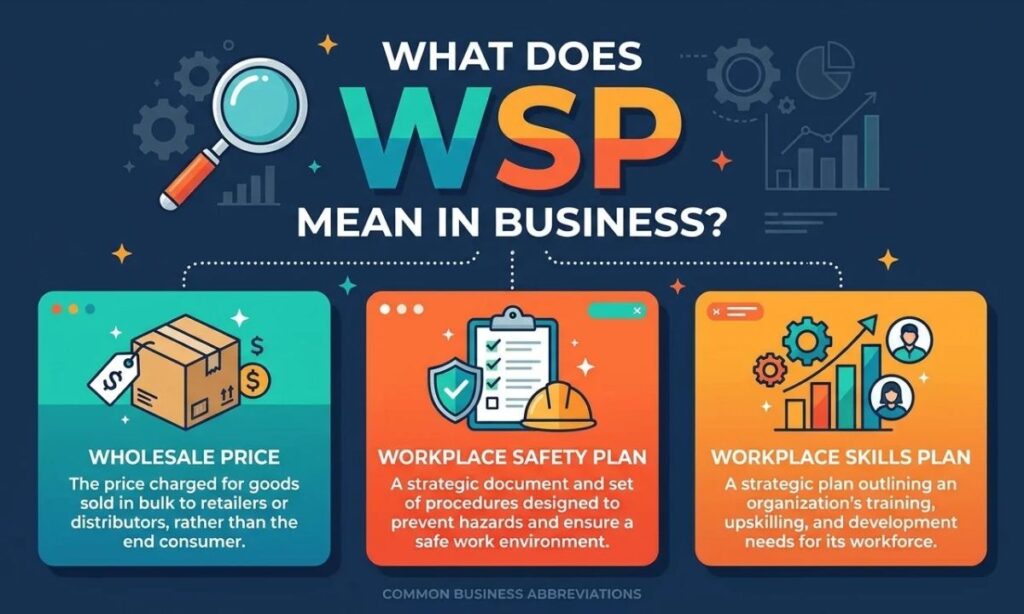
In normal workplace messaging, WSP usually isn’t used as slang. Business contexts may use “WSP” for something unrelated, such as a company name or a Washington State Patrol reference. As a greeting, it’s too casual for most professional communication, so a plain “Hi, how are you?” is safer.
What Does WSP Mean on Instagram?
On Instagram, WSP means “what’s up” in DMs and story replies. You might get it after posting a story or when someone wants to start a chat. Replies can be short, and an emoji or a quick question back works well.
Pro Tips for Using WSP Naturally
Keep It Casual
WSP works best in relaxed, low-pressure chats. It doesn’t need to be dressed up.
Match the Person’s Style
If they text in lowercase with slang, WSP fits. If they write in full sentences, a normal greeting may suit them better.
Don’t Overuse Slang
A message packed with abbreviations can be hard to read. One or two casual terms are usually plenty.
Use It to Start Conversations
Add a follow-up so the other person has something to answer, for example “wsp, how was your weekend?”
Is WSP Still Popular in 2026?

WSP is still widely understood in 2026 as a casual way to say “what’s up,” and it continues to appear in texts, DMs, and game chats. Slang changes quickly, but short greetings like this tend to stick around because they’re so convenient. How common it is depends on the age group and the platform, so it’s worth matching the style of the people you’re talking to.
Frequently Asked Questions
How do you pronounce WSP?
Most people say each letter (“W-S-P”) or just say “wassup” out loud. Both are fine, and the meaning stays the same.
Should WSP be capitalized?
It doesn’t have to be. “wsp” in lowercase is the most common style. A question mark is optional too, because the meaning is clear without it.
Is WSP rude?
No. It’s a friendly, informal greeting. It can feel too casual in formal settings, but it isn’t meant to be disrespectful.
What should I reply if I’m busy when someone texts WSP?
Keep it short and polite, for example “Hey! A bit busy right now, can I text you later?” That acknowledges them without starting a long chat.
Is WSP the same as “sup” or “wassup”?
Yes, they carry basically the same meaning. WSP is the written, abbreviated version, while “sup” and “wassup” are closer to how people sound when speaking.
Does WSP always need a reply?
Usually yes, since it’s a greeting, though a reply can be as short as “hey” or “not much.” Leaving it unanswered may seem like you’re ignoring the person.
What should I do if an unknown number texts me “wsp”?
It may be a wrong number, but unsolicited messages can also be spam or a scam. Don’t share personal details or click any links, and consider blocking the number if you don’t recognize it.
Last Word
WSP is just a quick, casual way of saying “what’s up.” It’s easy to type, friendly in tone, and common across texts, DMs, and gaming chats.
What matters most is context. The same three letters can be a simple hello, a playful opener, or a nudge to make plans, depending on who sends it and how.
Reply naturally, match the other person’s style, and save it for casual conversations. If you ever feel unsure, a simple “not much, you?” works almost every time.